
Uterine Fibroid Treatment
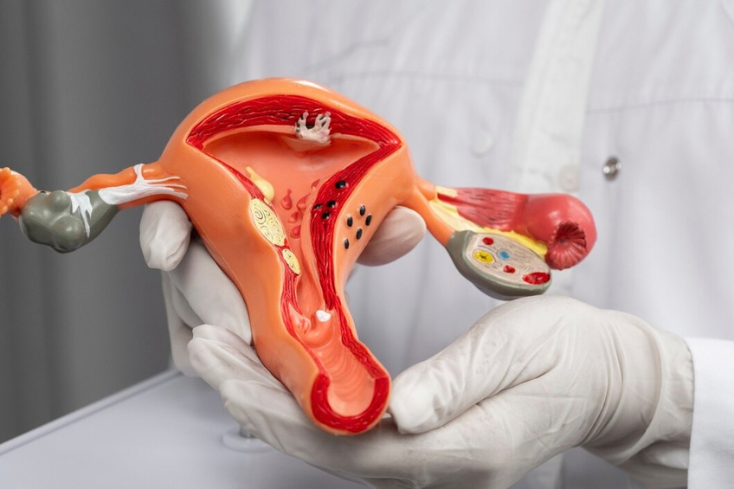
Uterine Fibroid Treatment
Uterine fibroids are non-cancerous growths that develop in or around the uterus. They are common during the reproductive years and can vary in size, number, and location. Some women experience no symptoms, while others may develop problems that affect their comfort, menstrual health, or fertility.
Possible symptoms include heavy or prolonged menstrual bleeding, painful periods, pelvic pressure, lower abdominal discomfort, frequent urination, and a feeling of fullness in the abdomen. The impact of fibroids depends on their size and location, as well as the patient's symptoms and reproductive plans.
Diagnosis typically involves a review of symptoms and medical history, a physical examination when appropriate, and imaging such as pelvic ultrasound. Further investigations may be recommended depending on the findings.
Treatment is individualized. Women with small, symptom-free fibroids may only require periodic monitoring. For symptomatic fibroids, management may include medication to control bleeding or pain, selected hormonal treatments, or procedures to reduce or remove fibroids. Surgery may be considered when symptoms are severe, other treatments are unsuitable, or fertility-related factors require a specific approach.
The treatment plan should consider symptom severity, age, overall health, fibroid characteristics, and future pregnancy plans. Regular follow-up helps monitor changes and determine whether additional treatment is needed.