
Urinary Incontinence Treatment
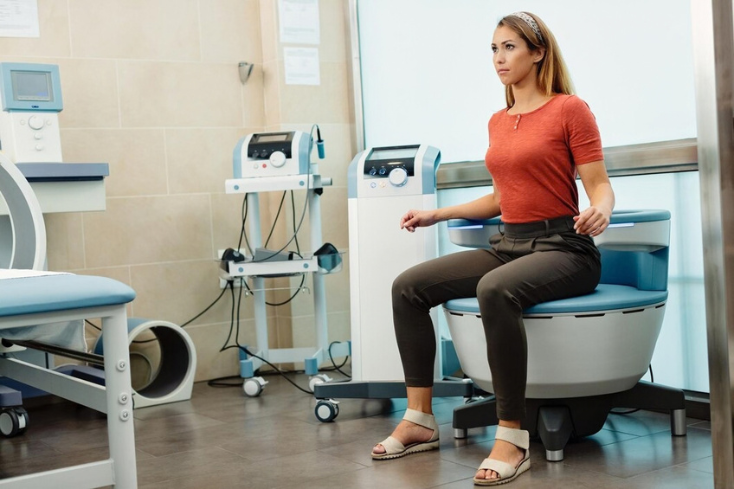
Urinary Incontinence Treatment
Urinary incontinence is the involuntary leakage of urine. It can affect women at different stages of life and may occur during coughing, sneezing, laughing, exercising, or following a sudden and urgent need to urinate.
Common types include stress incontinence, urge incontinence, and mixed incontinence. Pregnancy, childbirth, pelvic floor weakness, ageing, hormonal changes, and certain medical conditions may contribute to bladder-control problems.
The assessment generally includes a review of symptoms, fluid intake, medication history, pregnancy and delivery history, and urinary habits. Depending on the circumstances, the doctor may recommend a physical examination, urine testing, a bladder diary, or additional investigations to identify the cause.
Treatment depends on the type and severity of incontinence. Options may include pelvic floor muscle training, bladder training, lifestyle adjustments, medication for selected conditions, or specialist procedures when necessary.
Early assessment can help identify treatable causes and determine an appropriate management plan. Women experiencing urinary leakage do not need to assume it is an unavoidable consequence of childbirth or ageing; medical guidance can help identify suitable options.